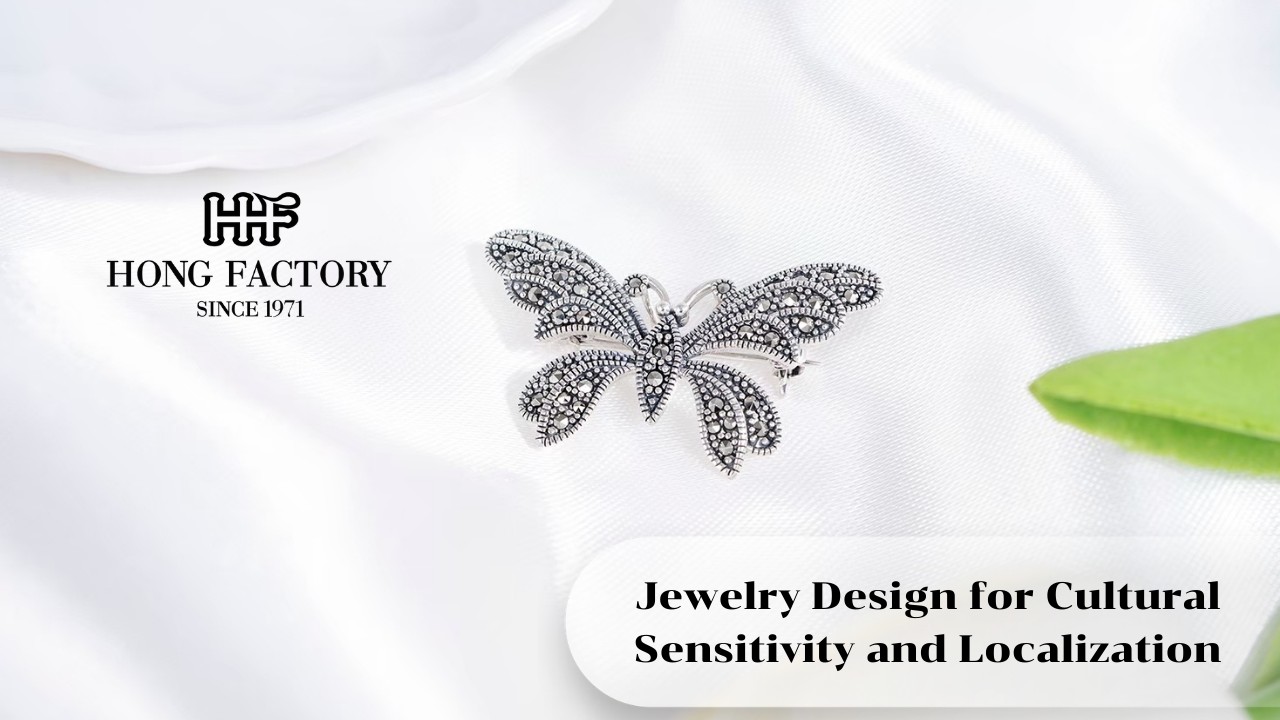
Jewelry Design for Cultural Sensitivity and Localization
As jewelry brands expand beyond their home markets, cultural sensitivity becomes a critical design consideration. Jewelry is deeply connected to identity, tradition, and symbolism, which means designs that succeed in one region may be misunderstood—or even offensive—in another. For silver and marcasite jewelry brands, jewelry design for cultural sensitivity and localization ensures respect, relevance, and stronger acceptance across diverse markets.
This article explains how brands can design culturally sensitive jewelry, localize collections effectively, and maintain brand integrity while honoring regional differences. mood ring color meanings
Why Cultural Sensitivity Matters in Jewelry Design
Jewelry carries meaning beyond aesthetics.
Across cultures, jewelry may symbolize:
- Status and heritage
- Spiritual beliefs
- Family and tradition
- Celebration and protection
Ignoring cultural context can damage brand reputation, while thoughtful design builds trust and emotional connection.
Understanding Cultural Symbolism in Jewelry
Symbols are not universal.
Research Before Design
Designers must research:
- Local symbols and their meanings
- Religious or spiritual associations
- Colors with positive or negative connotations
Even common motifs can carry different interpretations across cultures.
Avoiding Cultural Misrepresentation
Respect is essential.
Best Practices
Brands should:
- Avoid sacred symbols used casually
- Refrain from mixing unrelated cultural elements
- Consult cultural references or experts when needed
Authenticity matters more than decoration.
Localization vs Standardization in Jewelry Design
Balance global identity with local relevance.
Core and Localized Design Strategy
Successful brands often:
- Maintain a global core collection
- Adapt select designs for regional markets
- Localize scale, motifs, or detailing subtly
This approach preserves brand DNA while increasing acceptance.
Cultural Preferences in Jewelry Style
Preferences vary widely.
Regional Design Tendencies
- Western markets: minimalist, everyday jewelry
- Asian markets: delicate details, symbolism, lighter weight
- Middle Eastern markets: bold forms, rich texture
Understanding preferences informs design choices.
Color Sensitivity in Localized Jewelry Design
Color meanings differ across cultures.
Color Considerations
Designers should note:
- White symbolizes purity in some cultures, mourning in others
- Red may represent luck, love, or power
- Black can signify elegance or loss
Silver and marcasite offer neutral foundations that adapt well.
Using Silver and Marcasite in Culturally Sensitive Designs
Materials influence acceptance.
Silver as a Neutral Medium
Sterling silver:
- Is widely accepted across cultures
- Feels respectful and understated
- Adapts to various design languages
Marcasite for Subtle Detailing
Marcasite’s restrained sparkle:
- Avoids cultural excess
- Enhances craftsmanship storytelling
- Supports traditional and modern aesthetics
These qualities make them ideal for cross-cultural collections.
Designing for Religious and Traditional Contexts
Caution and respect are required.
Designers should:
- Understand religious guidelines around jewelry
- Avoid inappropriate placement of sacred symbols
- Keep designs symbolic rather than literal
Sensitivity prevents misinterpretation.
Localization Through Scale and Proportion
Fit preferences vary by region.
Localization may include:
- Adjusting ring sizes
- Modifying necklace lengths
- Reducing or increasing overall scale
Subtle changes can significantly improve comfort and appeal.
Cultural Sensitivity in Packaging and Presentation
Design extends beyond the product.
Packaging should:
- Respect cultural aesthetics
- Avoid inappropriate imagery or language
- Align with local gifting traditions
Presentation reinforces respect and professionalism.
Marketing and Storytelling for Local Markets
Communication must match design.
Localized storytelling should:
- Highlight shared values
- Avoid stereotypes
- Respect cultural narratives
Design and messaging must work together.
Cultural Sensitivity in Wholesale and Retail Partnerships
Retailers value cultural awareness.
Wholesale buyers prefer brands that:
- Understand local customers
- Adapt designs thoughtfully
- Avoid cultural risks
Sensitivity strengthens long-term partnerships.
Avoiding Common Cultural Design Mistakes
Mistakes can be costly.
Mistakes to Avoid
- Using cultural symbols without understanding
- Assuming global tastes are uniform
- Over-localizing and losing brand identity
Balance is key.
Testing and Validating Localized Designs
Feedback prevents missteps.
Brands can:
- Pilot localized designs
- Gather retailer and consumer input
- Refine designs before scaling
Testing ensures respectful adaptation.
Long-Term Value of Culturally Sensitive Jewelry Design
Respect builds brand equity.
Brands that prioritize cultural sensitivity:
- Gain trust in new markets
- Reduce reputational risk
- Build lasting global presence
Culturally aware design supports sustainable expansion.
Conclusion
Jewelry design for cultural sensitivity and localization requires research, respect, and restraint. By understanding symbolism, adapting designs subtly, and using universally accepted materials like silver and marcasite, jewelry brands can succeed across diverse cultures without compromising identity. In global markets, cultural sensitivity is not a limitation—it is a powerful competitive advantage.
As jewelry brands expand beyond their home markets, cultural sensitivity becomes a critical design consideration. Jewelry is deeply connected to identity, tradition, and symbolism, which means designs that succeed in one region may be misunderstood—or even offensive—in another. For silver and marcasite jewelry brands, jewelry design for cultural sensitivity and localization ensures respect, relevance, and…