
How to Identify Authentic Vintage Marcasite Jewelry
Vintage marcasite jewelry is prized for its craftsmanship, history, and subtle elegance. However, as demand increases, so does the presence of reproductions and misidentified pieces. Knowing how to identify authentic vintage marcasite jewelry is essential for collectors, buyers, and sellers who want to ensure value, authenticity, and long-term satisfaction.
This article explains key identification factors, from materials and construction to design details and warning signs of imitation. 925
Why Authenticity Matters in Vintage Marcasite Jewelry
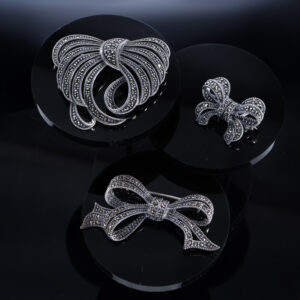
Authenticity directly affects value and durability.
Importance of Correct Identification
- Genuine pieces retain collectible and resale value
- Authentic craftsmanship ensures longevity
- Accurate identification prevents overpaying
Understanding authenticity protects both investment and enjoyment.
Understanding What “Marcasite” Really Means
Terminology is often misunderstood.
Marcasite vs Pyrite
Authentic marcasite jewelry uses pyrite stones, not true marcasite mineral. This has been the standard for centuries due to pyrite’s stability and durability.
If a seller claims a vintage piece uses natural marcasite mineral, this is a red flag.
Check the Metal: Sterling Silver Is Essential
Metal quality is a primary indicator.
Sterling Silver Hallmarks
Most authentic vintage marcasite jewelry is made of sterling silver.
Look for:
- “925” stamp
- “STERLING” marking
- Period-appropriate maker’s marks
Absence of markings does not always mean fake, but it requires closer inspection.
Examine Stone Setting Techniques
Setting style reveals craftsmanship.
Hand-Set Stones
Authentic vintage pieces feature:
- Individually hand-set stones
- Tiny silver beads or prongs
- No visible glue
Glued stones indicate modern imitation or poor-quality reproduction.
Stone Size and Uniformity
Vintage marcasite stones are consistent.
Visual Characteristics
- Small, precisely cut stones
- Uniform size and alignment
- Subtle metallic sparkle
Inconsistent sizes or plastic-like shine suggest imitation materials.
Inspect Design and Symmetry
Vintage craftsmanship emphasizes balance.
Design Indicators
- Symmetrical patterns
- Art Deco or Victorian motifs
- Careful spacing and alignment
Asymmetry may indicate later reproduction or damage.
Look for Signs of Age and Patina
Natural aging tells a story.
Authentic Aging Features
- Gentle silver patina
- Soft wear on edges
- Slight darkening in recessed areas
Perfectly shiny surfaces may indicate modern manufacturing or over-polishing.
Weight and Feel of the Jewelry
Weight reveals material quality.
What to Expect
- Solid feel for size
- Balanced weight distribution
- No hollow or tinny sensation
Lightweight pieces may use base metals.
Identifying Period-Specific Design Elements
Different eras leave clues.
Victorian Era Clues
- Floral and symbolic motifs
- Mourning jewelry themes
- Intricate silverwork
Art Deco Era Clues
- Geometric shapes
- Bold symmetry
- Clean architectural lines
Matching design to era supports authenticity.
Clasps, Hinges, and Functional Parts
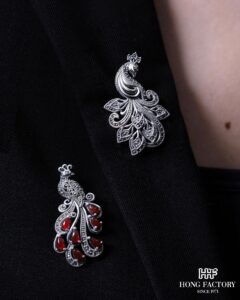
Construction details matter.
Vintage Hardware Characteristics
- Simple but sturdy clasps
- Hand-finished components
- Slight irregularities from manual work
Modern machine-made parts often look too perfect.
Maker’s Marks and Provenance
Documentation increases confidence.
What to Look For
- Recognizable maker’s marks
- Country of origin stamps
- Original boxes or documentation
Provenance strengthens authenticity claims.
Common Red Flags to Watch For
Avoid costly mistakes.
Warning Signs
- Visible glue around stones
- Plastic or glass stones
- Base metal construction
- Overly bright, mirror-like finishes
Multiple red flags suggest non-authentic pieces.
Reproductions vs Authentic Vintage Pieces
Not all reproductions are labeled clearly.
How Reproductions Differ
- Machine-set stones
- Uniform, modern finishes
- Lack of wear or patina
Reproductions may be attractive but lack collectible value.
Professional Authentication and Appraisal
Expert evaluation provides certainty.
When to Seek a Professional
- High-value purchases
- Unclear origin or markings
- Potential investment pieces
Choose appraisers experienced in marcasite jewelry.
Buying Online: Extra Precautions
Online buying requires diligence.
Safe Online Buying Tips
- Request close-up photos
- Ask about repairs or restorations
- Buy from reputable sellers
Transparency builds trust.
Why Knowledge Is the Best Protection
Education prevents regret.
Buyer Benefits
- Confident purchasing decisions
- Better value assessment
- Long-term satisfaction
Informed buyers build meaningful collections.
Conclusion
Identifying authentic vintage marcasite jewelry requires careful attention to materials, craftsmanship, design, and signs of age. By understanding how genuine pieces are constructed—using hand-set pyrite stones, sterling silver, and period-specific designs—buyers can confidently distinguish authentic jewelry from reproductions. With knowledge, patience, and sometimes professional guidance, collecting vintage marcasite jewelry becomes a rewarding experience rooted in authenticity, history, and enduring beauty.
Vintage marcasite jewelry is prized for its craftsmanship, history, and subtle elegance. However, as demand increases, so does the presence of reproductions and misidentified pieces. Knowing how to identify authentic vintage marcasite jewelry is essential for collectors, buyers, and sellers who want to ensure value, authenticity, and long-term satisfaction. This article explains key identification factors,…