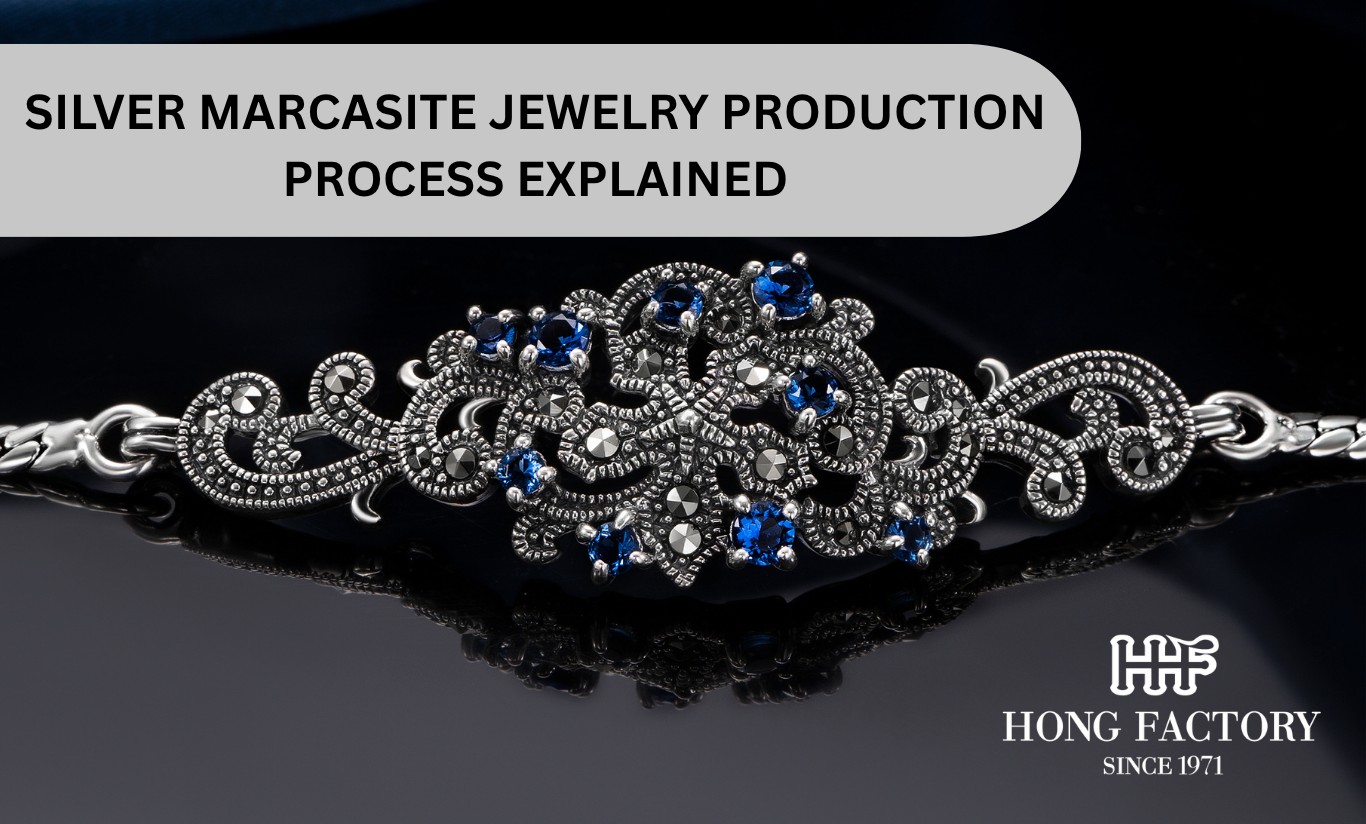
Silver Marcasite Jewelry Production Process Explained
Silver marcasite jewelry is admired for its intricate detail and vintage elegance, but behind every piece is a precise and carefully managed production process. Understanding how these items are made not only builds appreciation for the craftsmanship but also helps businesses and buyers evaluate quality. For SEO and PBN strategies, production-focused content is highly valuable because it targets informational and commercial intent.
Overview of the Silver Marcasite Production Process
The production of silver marcasite jewelry involves multiple stages, combining traditional craftsmanship with modern manufacturing techniques. Each step plays a crucial role in ensuring the final product meets quality standards.
The main stages typically include:
- Design and concept development
- Mold creation and casting
- Stone setting
- Polishing and finishing
- Quality control and inspection
Understanding these steps provides insight into what makes high-quality jewelry.
Jewelry Design and Concept Development
The process begins with design. Designers create sketches or digital models based on trends, customer preferences, or brand identity.
For silver marcasite jewelry, designs often focus on vintage patterns, geometric shapes, or nature-inspired elements. Attention to detail at this stage is critical, as it determines the overall look and complexity of the piece.
Once finalized, the design is prepared for production.
Mold Creation and Silver Casting
After the design is approved, a mold is created to shape the jewelry. This is usually done using wax models or advanced 3D printing techniques.
Molten silver is then poured into the mold to form the base structure. This process ensures consistency, especially for large-scale production.
Once cooled, the cast piece is removed and prepared for further refinement.

Stone Setting Process
Setting marcasite stones is one of the most delicate steps in the process. Because the stones are small, they must be placed carefully to achieve a uniform and secure arrangement.
Skilled artisans manually set each stone into the silver base. This requires precision and experience to ensure that the stones are aligned and firmly fixed.
Proper stone setting enhances both the appearance and durability of the jewelry.
Polishing and Surface Finishing
After the stones are set, the jewelry undergoes polishing and finishing. This step improves the shine and smoothness of the silver surface.
Artisans remove any rough edges and refine the details of the design. The goal is to achieve a clean and polished look while preserving intricate patterns.
Some pieces may also receive additional treatments to enhance durability and reduce tarnish.
Quality Control and Inspection
Quality control is a critical part of the production process. Each piece is inspected to ensure it meets design and durability standards.
Common checks include:
- Verifying stone placement and security
- Checking silver purity (925 standard)
- Inspecting surface finish and design accuracy
This step ensures that only high-quality products reach the market.
Packaging and Final Preparation
Once the jewelry passes inspection, it is cleaned and prepared for packaging. Proper packaging protects the item during shipping and enhances presentation.
For wholesale and retail businesses, packaging also plays a role in branding and customer experience.
Importance of Skilled Craftsmanship
Although modern technology is used in production, skilled craftsmanship remains essential. The detailed nature of silver marcasite jewelry requires human expertise, especially in stone setting and finishing.
Manufacturing hubs such as Thailand are known for their experienced artisans who specialize in this type of jewelry.
SEO and PBN Strategy for Production Content
Production-related content is highly effective for SEO because it builds trust and authority. Keywords such as “how jewelry is made,” “silver production process,” and “marcasite manufacturing” attract engaged users.
For PBN strategies, this article can link to quality standards, wholesale guides, and supplier content. This strengthens the overall content structure and improves rankings.
Providing clear and educational information increases credibility and user engagement.

Conclusion
The production process of silver marcasite jewelry involves a combination of design, precision, and craftsmanship. From casting to stone setting and finishing, each step contributes to the final quality of the piece.
For SEO and PBN purposes, this topic offers strong opportunities to build authority and attract targeted traffic. By explaining the process in a clear and structured way, you can create content that delivers both value and performance.
Whether you are a buyer, business owner, or content creator, understanding the production process helps you appreciate the true value of silver marcasite jewelry.
Silver marcasite jewelry is admired for its intricate detail and vintage elegance, but behind every piece is a precise and carefully managed production process. Understanding how these items are made not only builds appreciation for the craftsmanship but also helps businesses and buyers evaluate quality. For SEO and PBN strategies, production-focused content is highly valuable…